MAICO easyTymp in Mombasa, Kenya
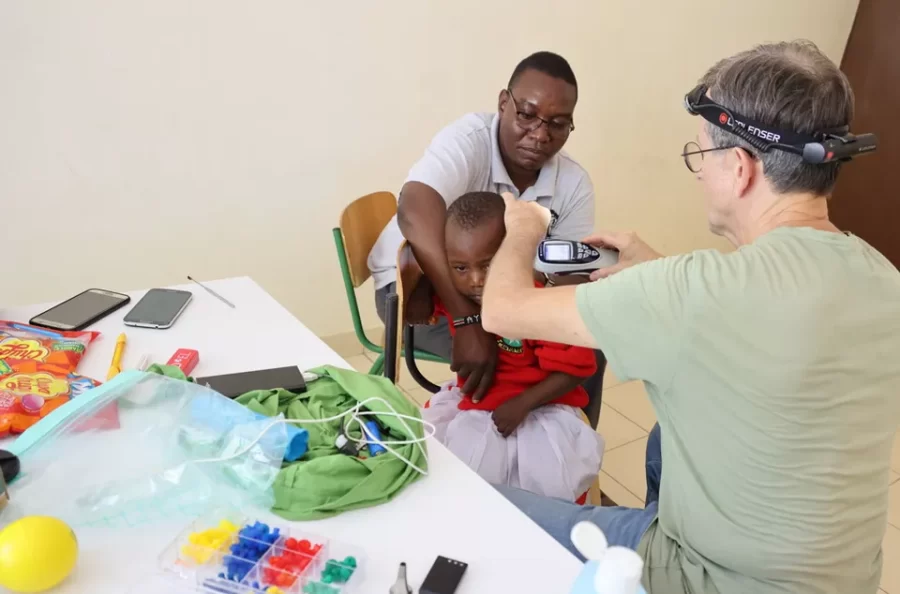
Hearing loss affects children and young people worldwide, but unfortunately, medical care is often insufficient in many areas. As is often the case, the youngest individuals suffer the most under these circumstances. In line with this year’s World Hearing Day theme of “Hearing Care For All,” we would like to share a brief story resulting from the collaboration between our German distribution partner, DIATEC, and ENT Doctor Dr. Lutz Eger from Erfurt. Dr. Lutz Eger has provided a short account of his experiences with the MAICO easyTymp in Mombasa, Kenya.
Hearing loss affects children and young people worldwide, but unfortunately, medical care is often insufficient in many areas. As is often the case, the youngest individuals suffer the most under these circumstances. In line with this year’s World Hearing Day theme of “Hearing Care For All,” we would like to share a brief story resulting from the collaboration between our German distribution partner, DIATEC, and ENT Doctor Dr. Lutz Eger from Erfurt. Dr. Lutz Eger has provided a short account of his experiences with the MAICO easyTymp in Mombasa, Kenya.
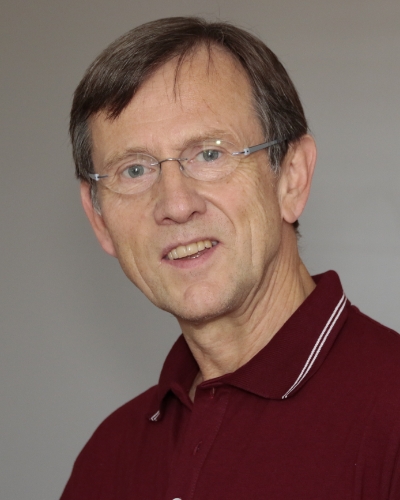
Dr. med. Lutz Eger
“As a member of a delegation from the association EducAid Kenya, I visited the EDUCAID ACADEMY school in Mombasa, Kenya, from October 23rd to October 31st, 2022. During this visit, my intention was to conduct audiological screenings for the kindergarten children and pupils on-site, aiming to identify cases of chronic tympanic effusion that require therapy.
Thanks to the MAICO easyTymp hearing test device, generously provided to me by DIATEC for these examinations, we were able to carry out the screenings with minimal time and logistical effort. The device proved to be highly suitable for use in an area that lacks a stable power supply, such as the slum on the outskirts of Mombasa, Kenya.
However, the screening results were disheartening. Among 36 kindergarten children, eight exhibited bilateral hearing loss, and among the preschool children, only two out of 34 were affected. Unfortunately, due to the poverty in the region, medical or surgical therapy is not feasible. In most cases, nature resolves the ear condition over the course of a few years, leading to an improvement in hearing. Nonetheless, the children face a significant developmental delay in language acquisition and knowledge.”